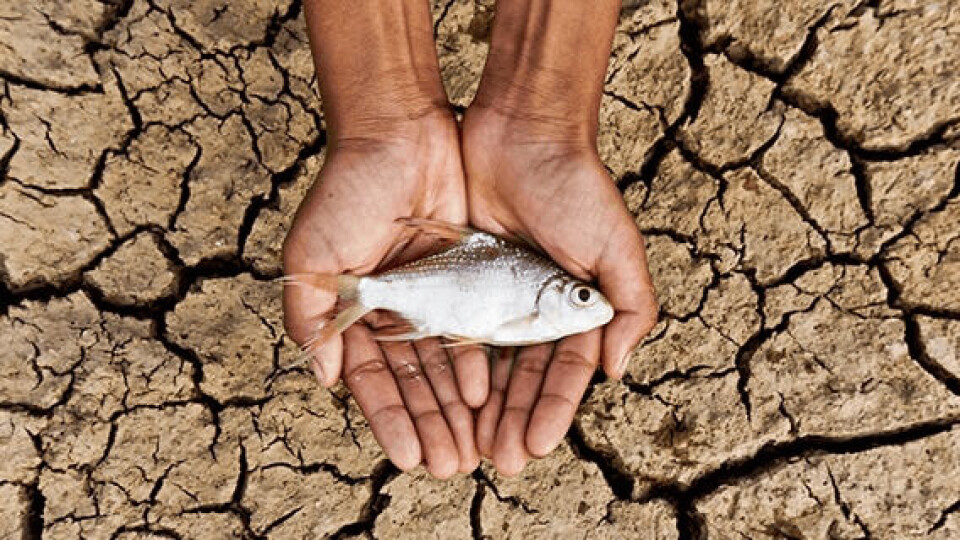
Climate Change and Its Effects on Global Fish Stocks
Climate change is not just a threat to polar bears and melting glaciers—it’s reshaping the very heart of the ocean, disrupting ecosystems and altering fish populations across the globe. As ocean temperatures rise and weather patterns shift, global fish stocks are being impacted in complex and alarming ways, with serious consequences for marine life, fisheries, and global food security.
🌡️ How Climate Change Affects the Ocean
The ocean absorbs more than 90% of the excess heat generated by greenhouse gas emissions. This warming, combined with other climate-related changes, has several direct effects:
-
🌊 Rising sea surface temperatures
-
🌪️ Increased frequency of storms and extreme weather
-
🧪 Ocean acidification due to CO₂ absorption
-
🌀 Disruption of ocean currents and nutrient cycles
These changes affect where fish live, how they reproduce, and how much they grow—ultimately shifting the balance of marine ecosystems.
🐠 Shifts in Fish Distribution
As waters warm, many fish species are migrating toward the poles or deeper waters in search of optimal temperatures. For example:
-
Atlantic cod have moved farther north in recent decades.
-
Sardines and anchovies have shifted their spawning grounds.
-
Coral reef fish are migrating as reef systems bleach and die off.
These changes can cause major disruptions for fisheries that depend on traditional fishing grounds.
📉 Declining Fish Stocks and Productivity
-
Warmer oceans can reduce oxygen levels, stressing fish and decreasing growth rates.
-
Coral reef degradation affects fish that depend on reefs for shelter and feeding.
-
Changes in plankton populations (a primary food source) can lead to collapses in entire food chains.
The overall result is a decline in fish abundance, catch size, and species diversity in certain regions—particularly in the tropics and developing nations.
🌍 Socioeconomic Impacts
-
🧑🌾 Coastal communities, especially in the Global South, are losing access to key fish species.
-
📉 Fisheries are experiencing reduced yields, threatening jobs and livelihoods.
-
🥗 Global food security is at risk as fish is a major source of protein for over 3 billion people.
According to the IPCC, some fisheries could see up to a 30% decline in catch potential by 2050 under high-emission scenarios.
🔄 Adaptation and Resilience Strategies
To address the impacts of climate change on fish stocks, scientists, policymakers, and fishing communities are taking action:
-
🐟 Flexible Management:
Fisheries policies must adapt to shifting species and changing conditions. Dynamic quotas and real-time monitoring can help. -
🌱 Ecosystem-Based Approaches:
Managing entire ecosystems—not just individual species—builds resilience to climate stress. -
🛰️ Technology and Forecasting:
Predictive models using satellite and ocean data can help fishers plan for changing conditions. -
🔁 Diversifying Livelihoods:
Supporting alternative income sources in coastal regions can reduce dependence on declining fish stocks. -
🌊 Marine Protected Areas:
Well-managed MPAs offer refuge for marine species and help ecosystems recover from climate-related damage.
✅ What Can We Do?
-
Support sustainable seafood choices and certified fisheries.
-
Reduce our carbon footprint to slow ocean warming.
-
Advocate for climate policies that prioritize ocean health and coastal resilience.
🧭 Conclusion
Climate change is rewriting the rules of the ocean. If we want to preserve the future of fisheries and protect the billions who rely on them, we must act swiftly and collaboratively. It’s not just about saving fish—it’s about securing the balance of life beneath the waves and above them.
🌎 The ocean is changing. Will we?
—



0 Commentaires